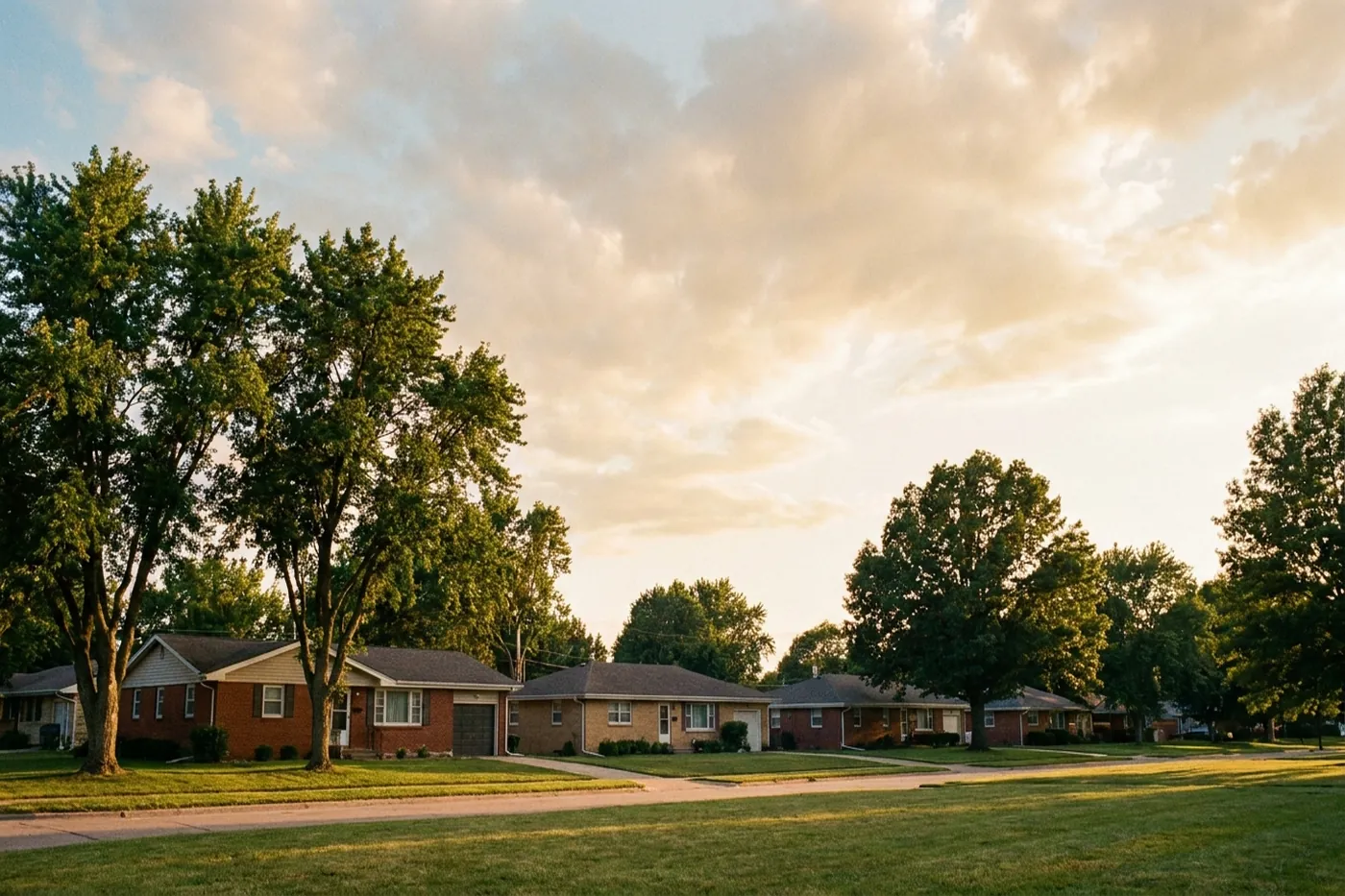
Window well covers in Lincoln run $250–$900 installed for quality snow-rated units. The code rule that matters: any cover over an egress well must open from inside without tools, keys, or special knowledge — because the well under it is a fire exit.
Choosing by load and letter of the code, and why winter is when cheap covers confess.
The two jobs a cover must not trade off
A cover exists to keep things out — snow, leaves, rain, kids, pets — while never keeping a person in. Load-rated polycarbonate and metal-frame covers on correct mounts do both: they carry foot traffic and snowpack, and they release upward from below in one motion. Bargain domes crack under snow, yellow in two summers, and collapse into the escape path they were supposed to protect.
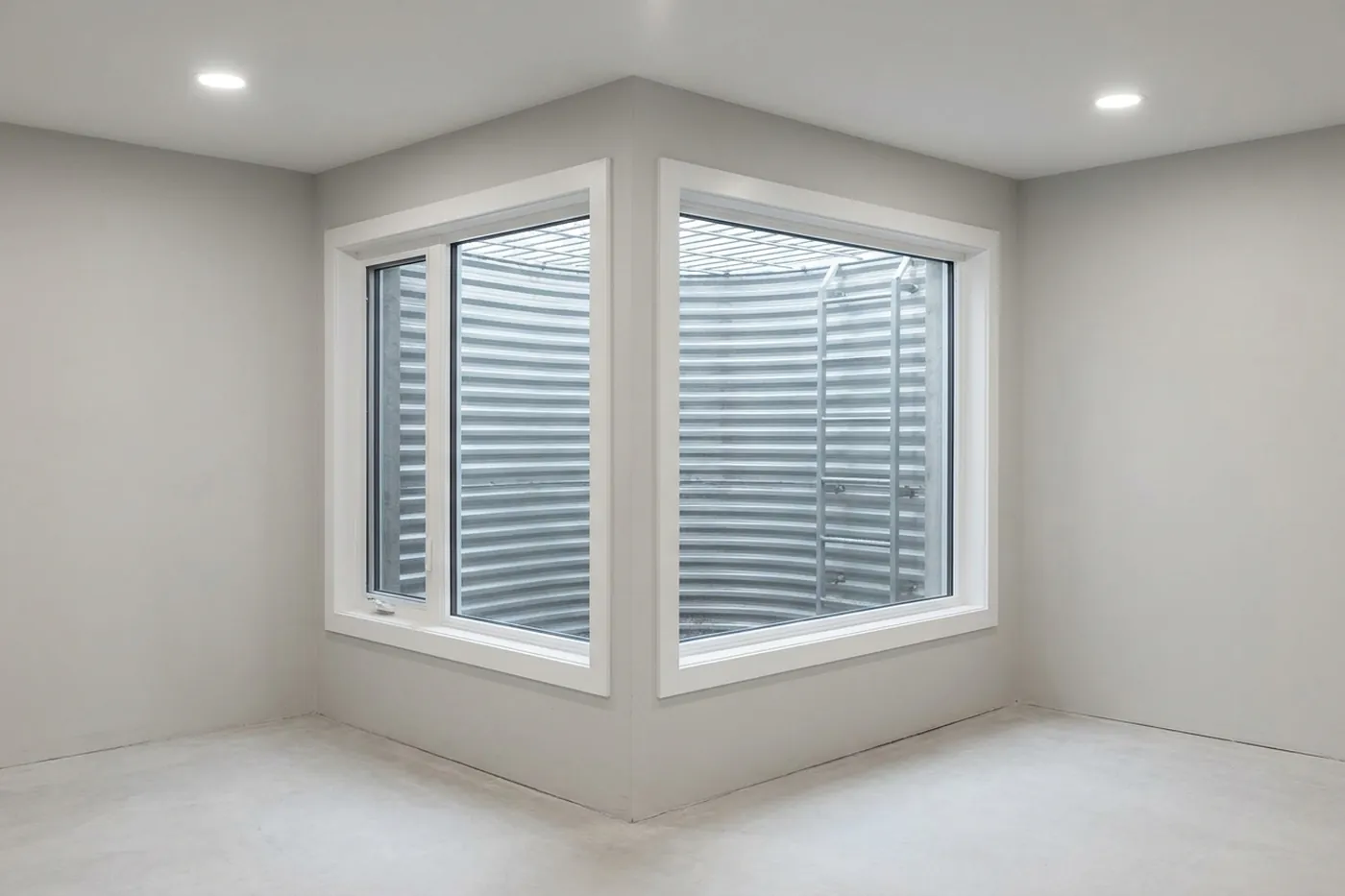
Fit matters as much as material
- Sized to the well flange, not approximately near it
- Mounted to release from inside without tools — the code line
- Load-spec chosen for snow country and for walkway wells, foot traffic
- Ventilation preserved so summer wells don't become terrariums
Covers ride along cheap
Most of our covers install alongside well work or a full window install, where they add little labor. As a standalone visit we'll usually check every well on the house while we're there — drainage, anchoring, ladders — because a five-minute look now beats a February emergency later.
Covers within a full egress window installation
On new installs the cover is a line item, not an afterthought: it's specced with the well — matching flange, matching depth, load rating chosen for where the well sits — and mounted the same day the drainage stone goes in. Retrofit covers onto existing wells take a measuring visit first, because "close enough" fitment is how covers blow off in a March wind or seat so tight they fail the inside-release rule. Either path ends the same way: a well that sheds the seasons and still opens in one motion when it matters.
Covers and the rest of the egress system
A cover is the finishing touch on a system that starts with the egress window installation itself: the opening sized to code, the well anchored and drained, the ladder where depth requires — and then the cover keeping Nebraska's seasons out of all of it. Skipping the cover is how January fills a well with snow that becomes February's ice block against the glass; skipping the drainage under it is how a covered well still floods in a May storm. The system works as a system.
When to replace instead of clean
- Cracks or clouding across the panel — UV has finished its work
- A cover that no longer seats on the well flange after frost heave
- Bent or corroded frames that won't release smoothly from inside
- Any cover that needs tools to open — that one fails code today, not eventually
Replacement is quick and priced plainly; most cover swaps finish inside an hour per well, and checking the well's drainage and ladder while we're there costs you nothing extra.
Which cover suits which well?
Covers in Lincoln earn their keep twice a year: tornado-season downpours that a well must not funnel into the basement, and snow that would otherwise fill the well and melt into it in March.
| Option | What it means | The Lincoln angle |
|---|---|---|
| Clear polycarbonate dome | Sheds rain and snow, keeps the light, takes a snow load | The all-round choice here — sheds both seasons and keeps the bedroom light |
| Flat walkable cover | For wells in walk paths — rated for a person's weight | For wells along walkways and play areas, rated for a person's weight |
| Open metal grate | Keeps children and pets out; keeps no weather out | Stops falls, stops nothing else — pair with drainage that can take the snowmelt |
| No cover at all | A well that fills with snow drains into the well in March | In this climate an open well is a seasonal cistern beside your foundation |
One code line governs them all: an egress cover must open from inside without tools, keys, or special knowledge — a person leaving during a storm is the design case. Any cover that fails that test fails the point of the window.
Frequently asked questions
Are window well covers required by code?
Not universally required — but if a well sits under a walkway or collects snow and debris, a cover is the practical answer. Code's demand is that any cover release from inside without tools or special knowledge, so the exit stays an exit.
What do covers cost?
Quality polycarbonate and metal-frame covers run $250-$900 installed depending on well size and snow-load spec. Custom-fabricated covers for oversized wells run more and get quoted per well.
Will a cover hold Nebraska snow?
The right one, yes — we spec covers by snow load, not looks. A flimsy dome that collapses into the well in February defeats both the safety and the point.
Do covers keep kids and pets out?
Load-rated covers do — that's half their job. The other half is staying openable from below in an emergency, which is why listed covers and correct mounting matter.
Get a free Lincoln egress assessment
Tell us what you're planning — a legal bedroom, a code fix, or brighter basement space — and we'll assess the wall, the well, and the code path. Replies the same business day.